Trustindex verifies that the original source of the review is Google. I contacted radiant solutions company through their contact us tab on the website. Matt answered my email very promptly. I had a few more questions so I sent him another email and he called me right back by phone instead of chatting back-and-forth n email. He took the time to answer all my questions and give me inside tips on installation. I highly recommend them and I highly recommend Matt as a sales / customer service representative.Posted onTrustindex verifies that the original source of the review is Google. We are so pleased with the service and product from this company. The self regulating pipe heating cables that we have purchased have kept our pipes in our RV from freezing and running smoothly in this super cold winter. They have been easy to install and monitor. I would highly recommend ALL of the products from this company.Posted onTrustindex verifies that the original source of the review is Google. I've worked with these guys a few times now and they've been super helpful every time and are great to work with!Posted onTrustindex verifies that the original source of the review is Google. Amazing products and the best customer service! Have used them for a while and will continue to do so. This company is great to work with.Posted onTrustindex verifies that the original source of the review is Google. This is a fantastic company with well thought out and high-quality products. The 'kits' for cable ends, tees and terminals are complete and easy to install. All instructions are complete and excellent support is available. The paper installation manual is a complete planning and installation guide. Company support is first rate. Highly recommended vendor.Posted onTrustindex verifies that the original source of the review is Google. Excellent products from an outstanding company. Very glad everything is American made and it shows! I contacted the company twice before ordering and I received an answer within the hour. Shipping was vey fast since I ordered on Friday and was delivered on Monday! The 10 year warranty is superior and instructions are clear. There is not another heat cable on the market that even come close to these guys.Posted onTrustindex verifies that the original source of the review is Google. Great installation of heat tape on two roof sections. Installer showed up on time, did a professional job, and checked that it worked.Posted onTrustindex verifies that the original source of the review is Google. As an installer of Heat Tape on homes, Radiant Solutions provides super high quality heat cable. It’s a mix of ease of installation and some of the best customer support that makes this above and beyond expectations. The waves this cable creates in rooflines is very satisfying to install and look at. Grip Clips are the best and strongest way to securely mount it to the roofline.Posted on

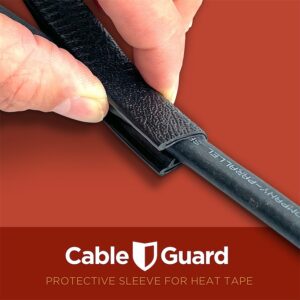
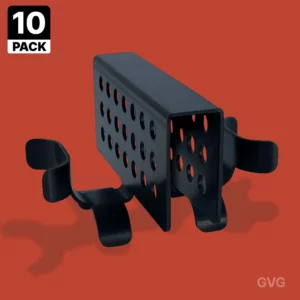

You must cover pipe, freeze prevention, cable with insulation under all circumstances. Otherwise it will likely fail to do its job. This includes both Pipe Freeze Pro and Heat Tape Pro.
Use a minimum 1/2″ thickness standard pipe insulation.
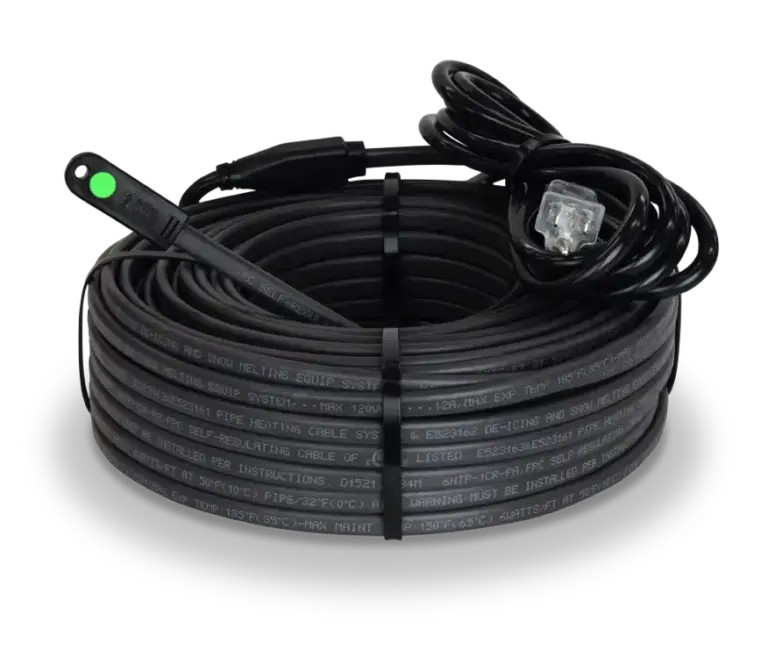
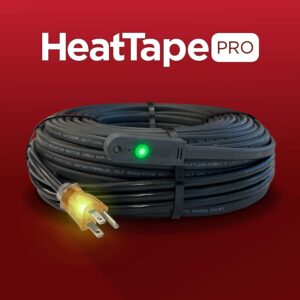
Heat Tape Pro and Pipe Freeze Pro are offered in many lengths from 6-foot up to 150-foot. These products are not designed to be modified, so you should pick the length you need and work with that length. These cables should not be altered and doing so would void any warranty on the product.
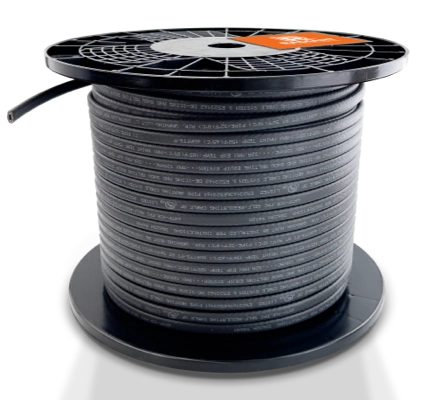
We offer heat tape on spools from 250-foot to 1000-foot. These spools are designed to be cut to length, made into multiple cables, etc. Heat Tape on spools needs to be hard-wired into a junction box, or have a power connection plug-in manually added to it for use. It also requires ends to be properly sealed and terminated. When working with Heat Tape on spools, a Licensed Electrician should be utilized to assure proper wiring per regional codes and standards.
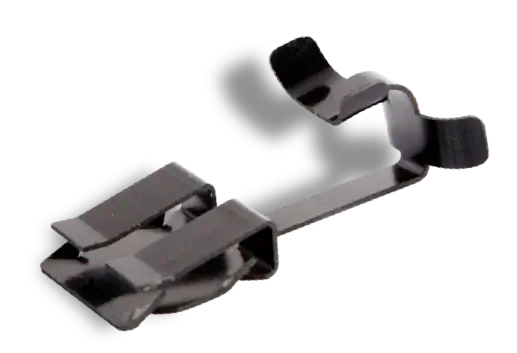
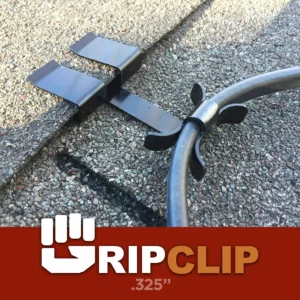
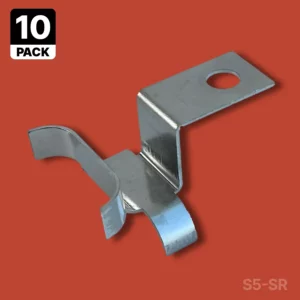
We are building a hand guide to identify what kind of roof you have and find the clips that can/should be used with that roof-type.
View the Guide Explaining What Clips You Need Here
We have a guide on How to Measure for Purchasing Heat Tape that will help you. Once you have your measurements, you can find our Heat Tape Calculator here.
Once it turns on, the self-regulating aspect takes over and directs heat to the area(s) of the cable that are in contact with the cold. The thermostat should be positioned outside of the insulating layer so it can effectively read the temperature of the air.
Radiant Solutions Self-Regulating Heat Tape changes its heat output based on the temperatures of its surrounding environment. At any given point, depending on the temperatures outside, the cable could be a range of temperatures. However, its peak temperature is not very hot –typically between 60º-85º when operating in a cool environment. Another way to think about it is that as long as the cable is above freezing it will do its job, which is to create and maintain melted pathways through snow and ice.
This gives our Heat Tape a great advantage over the heat tape you can buy in ‘Big Box’ retailers, because it creates enough warmth to effectively do its job, but won’t do damage to surfaces that it touches. Additionally, our heat cable can be overlapped without concern. Heat Tape that is not self-regulating (i.e., ‘constant wattage’) can not do this (they have explicit warnings in the directions not to do this for risk of fire).
We have even witnessed a coil of crappy big box heat tape starting a fire because it got plugged in when it was still coiled. (Yikes!)
The terms heat cable, heat tape and heat trace are all used interchangeably to described heated cables used to protect pipes from freezing, preventing roof and gutter ice dams from forming and for safeguarding temperature sensitive components.
Other terms we’ve seen used regarding Heat Tape are:
We have a calculated rate based on the product in your cart if you choose to ship to Canada or Alaska.
More can be found here.
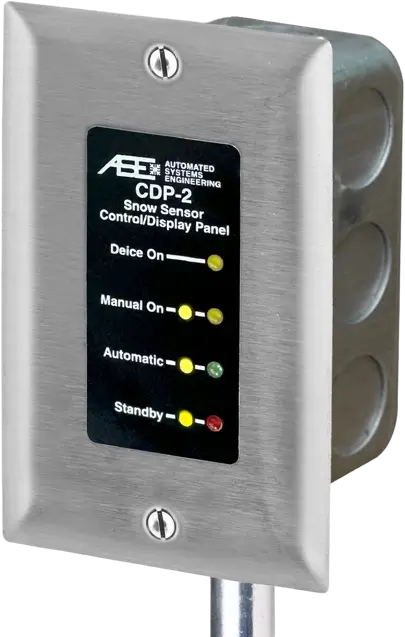
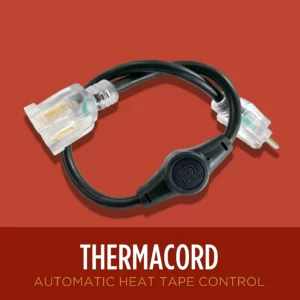
Self-Regulating Heat Tape will draw variable Power depending on the ambient temperature. It draws more power when temperatures are cold and less power when temperatures are warmer. However when the self-regulating cable is plugged in, it is always working, even if only slightly drawing power in warm temperatures. Adding the temperature-controlled switch like ThermaCord to plug-in heat tape or a Thermostatic Controller with Sensor to field assembled cable, will cut the supply of power to your Heat tape when it is not needed.
This will save you energy Costs.