Trustindex verifies that the original source of the review is Google.

 Trustindex verifies that the original source of the review is Google.
 Trustindex verifies that the original source of the review is Google.
 Trustindex verifies that the original source of the review is Google.
 Trustindex verifies that the original source of the review is Google.
 Trustindex verifies that the original source of the review is Google.
 Trustindex verifies that the original source of the review is Google.
 Trustindex verifies that the original source of the review is Google.
 Trustindex verifies that the original source of the review is Google.
 Trustindex verifies that the original source of the review is Google.


We have a calculated rate based on the product in your cart if you choose to ship to Canada or Alaska.
More can be found here.
This includes, but is not limited to:
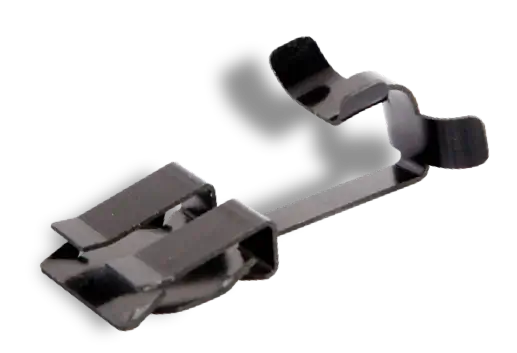
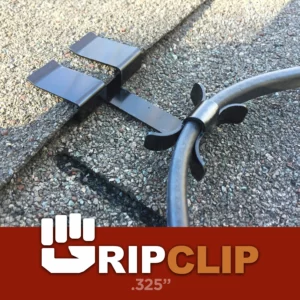
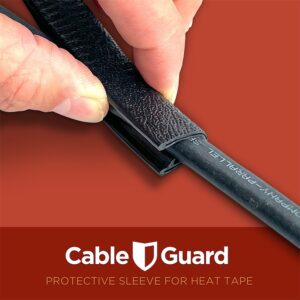
The type of roof you have determines the roof clips and accessories needed. Check out our Heat Tape Installation Accessories.
Once it turns on, the self-regulating aspect takes over and directs heat to the area(s) of the cable that are in contact with the cold. The thermostat should be positioned outside of the insulating layer so it can effectively read the temperature of the air.
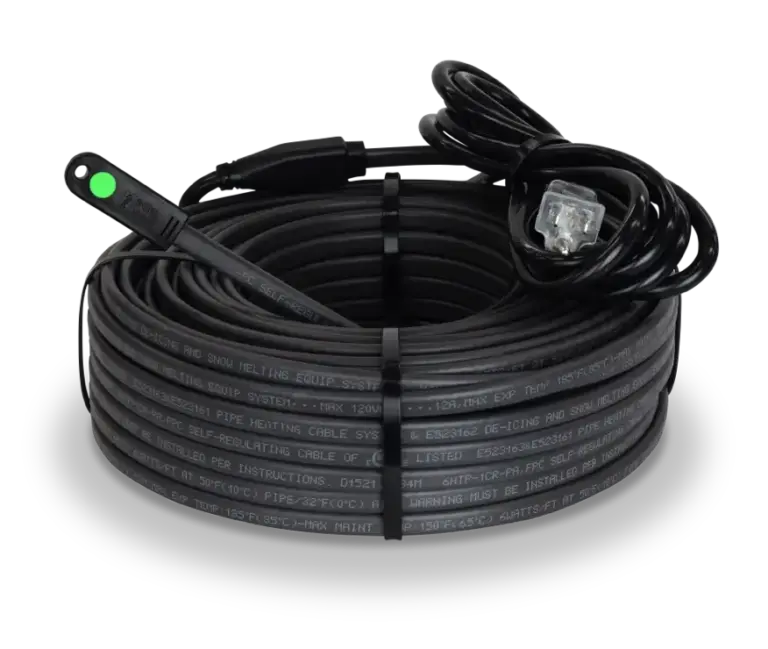
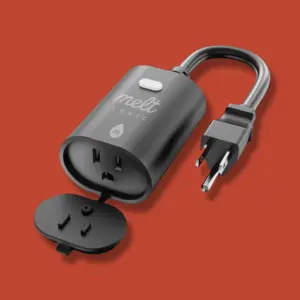
Yes. When the Heat Tape is plugged into a working outlet the plug will light up.
Note:
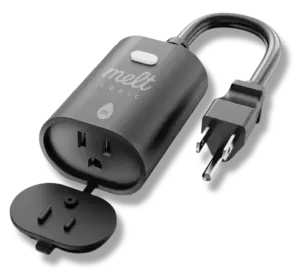
If you are using a Thermostatic switch like the ThermaCord with Heat Tape Pro, the plug on your heat tape will only be lit up when the ambient temperature is low enough and your ThermaCord has switched on power to your Heat tape. (for Pipe Freeze Pro, the thermostatic switch is integrated and comes after the plug, so your plug should be illuminated)
If you are in need of a specific product that is currently out of stock, you can request to be notified when new inventory of product is in stock.
Click Here to complete the Re-stock Notification Form
We generally do not reserve stock for miscellaneous reasons outside our stated inventory on this website. Besides selling on this website, we also Sell our products on Amazon.com – in doing so, we send separate inventories to their warehouse for fulfillment, so you could check inventory of the product you are looking for there.
The cable can be exposed to wetness but the thermostat must stay dry to function properly. Use Pipe Freeze PRO for pipe freeze prevention applications only.
Like Heat Tape Pro, Pipe Freeze Pro should not be installed on pipes that regularly heat up to over 150ºF as this may cause longterm damage to the heat cable. It therefore depends on how hot you have your water heater set to. On average, water heaters are set to about 140ºF to prevent scalding.
Because our heat cable can be overlapped, there is no specific way to wrap valves. A simple loop of cable around the body of the valve will be enough. A couple things to remember. First, try to keep the cable in contact with the valve so the heat transfers effectively from the cable to the valve. Next, do your best to insulate the valve to protect it from the cold. This often means getting a little creative with the same insulation you use for the pipe. You can use a scissors to cut the insulation into one or more shapes and then secure those shapes to the valve with tape (duct tape works well). Speaking of tape, remember to use our fiberglass installation tape to secure the cable to the pipe.